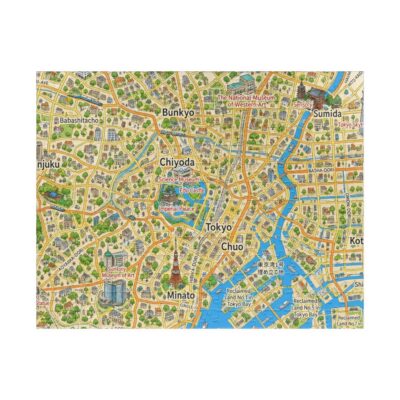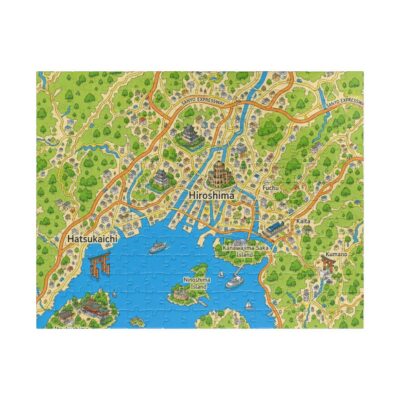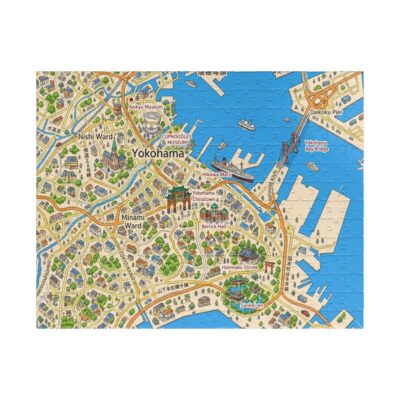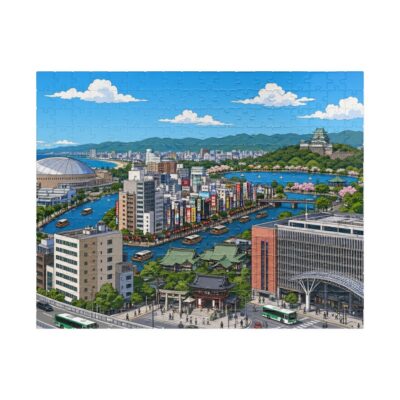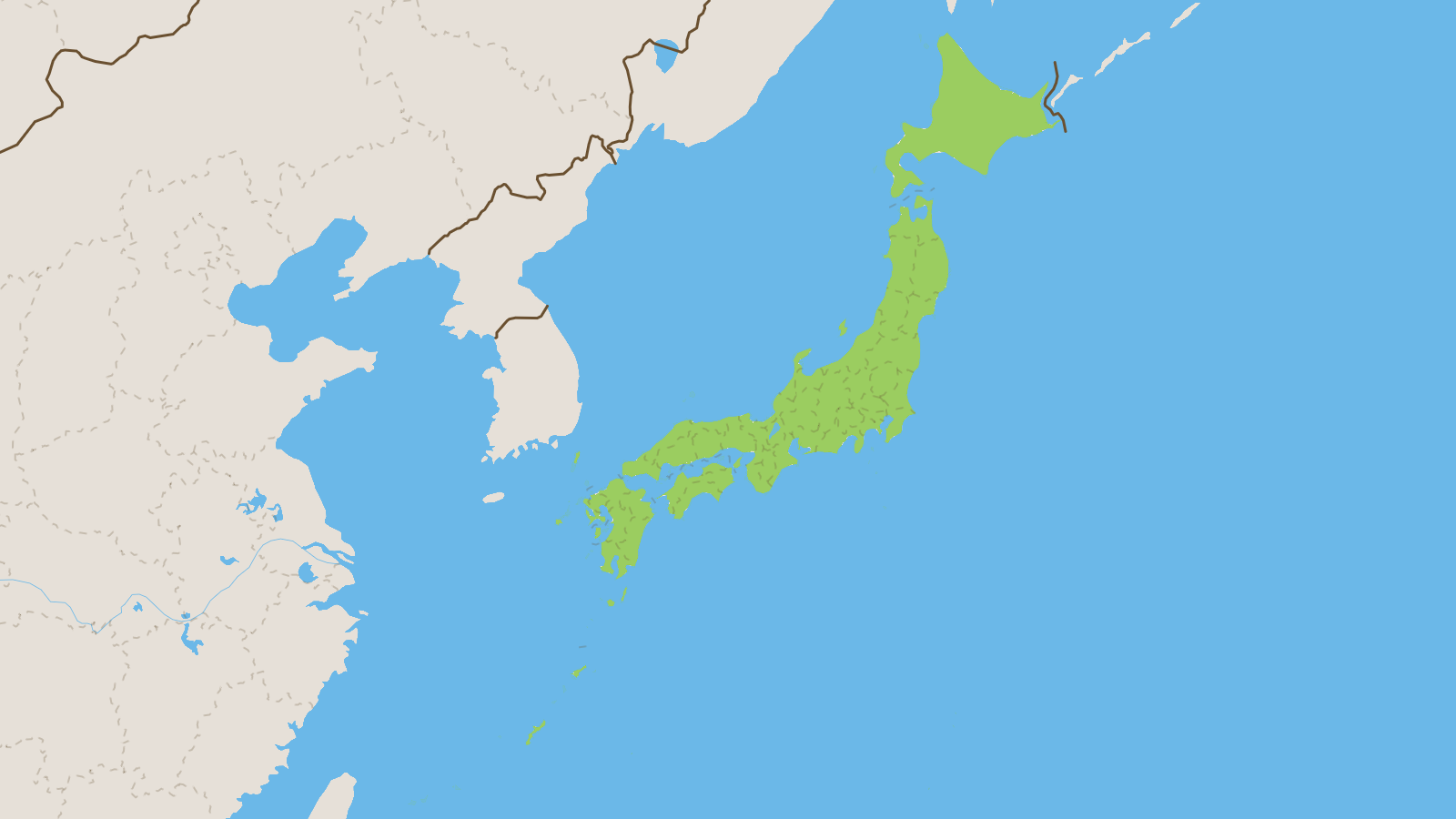
Japan is an island nation sitting in the Pacific Ocean, off the eastern coast of Asia. It is made up of four main islands and thousands of smaller ones, creating a long, curved chain of land surrounded by sea. Japan is a place where ancient traditions and ultra-modern technology exist side by side, giving it a truly unique character. From towering skyscrapers in the bustling capital Tokyo to peaceful temples tucked into misty mountains, there is always something surprising to discover.
Japan is famous for its delicious food, including sushi and ramen, enjoyed by people all over the world. It is also known for Mount Fuji, a beautiful snow-capped volcano that has inspired artists for centuries. Every spring, people across the country celebrate the blooming of cherry blossom trees, filling parks with soft pink petals. With around 123 million people, Japan is a lively, creative, and fascinating country to explore.
Landmarks
-
1

Mount Fuji Summit
Mount Fuji is Japan's tallest mountain, standing at 3,776 meters, and is one of the most recognized natural symbols in the world. It is an active stratovolcano that last erupted in 1707 and is considered sacred in Japanese culture. On a clear day, its snow-capped peak can be seen from Tokyo, nearly 100 kilometers away.
-
2
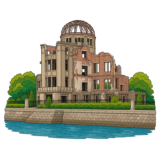
Hiroshima Peace Memorial Park
Hiroshima Peace Memorial Park is a solemn memorial dedicated to the victims of the atomic bomb dropped on Hiroshima on August 6, 1945. At its center stands the Atomic Bomb Dome, a skeletal ruined building preserved exactly as it survived the blast. The park is a powerful symbol of the hope for a world free of nuclear weapons.
-
3
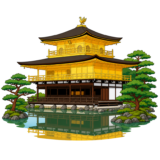
Kinkaku-ji Golden Pavilion
Kinkaku-ji, or the Golden Pavilion, is a stunning Zen Buddhist temple in Kyoto whose top two floors are completely covered in gleaming gold leaf. Built in the late 14th century as a retirement villa for a shogun, it was later converted into a temple. Its mirror-like reflection shimmering on the surrounding Kyoko pond is one of Japan's most iconic sights.
-
4
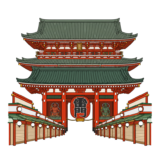
Senso-ji Temple Asakusa
Senso-ji is Tokyo's oldest and most visited temple, founded in the year 645 CE and dedicated to the goddess of mercy, Kannon. Visitors approach through the famous Kaminarimon, or Thunder Gate, marked by a massive red paper lantern weighing nearly 700 kilograms. A lively shopping street called Nakamise-dori lined with traditional stalls leads up to the main temple hall.
-
5

Arashiyama Bamboo Grove
The Arashiyama Bamboo Grove is a breathtaking natural pathway in western Kyoto where towering bamboo stalks stretch high overhead, creating a cathedral-like tunnel of green. The bamboo can grow up to 20 meters tall and the rustling of the stalks in the wind has been listed as one of Japan's top 100 soundscapes. The grove is especially magical in the early morning when it is quiet and misty.
-
6
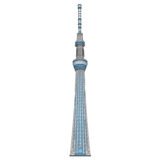
Tokyo Skytree
Tokyo Skytree is the tallest tower in Japan and the second tallest structure in the world, soaring 634 meters into the city skyline. It serves as a broadcasting tower and tourist attraction, with two observation decks offering sweeping views of Tokyo and, on clear days, Mount Fuji. The tower's design is inspired by traditional Japanese pagoda architecture and samurai swords.
-
7
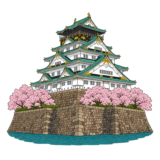
Osaka Castle
Osaka Castle is a magnificent Japanese fortress first built in 1583 by the powerful warlord Toyotomi Hideyoshi. It played a central role in the unification of Japan and remains one of the country's most iconic historical landmarks. The main tower gleams with white plaster walls, green-tiled roofs, and gold decorative details, rising five stories above a massive stone base.
-
8
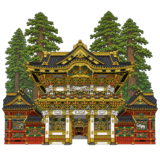
Nikko Tosho-gu Shrine
Nikko Tosho-gu is an extraordinarily elaborate Shinto shrine complex nestled in the forested mountains of Tochigi Prefecture, built in the 17th century to honor the shogun Tokugawa Ieyasu. Unlike most Japanese shrines that favor simple elegance, Tosho-gu dazzles with every surface covered in vivid carvings, gold leaf, and bold colors. It is home to the famous 'see no evil, hear no evil, speak no evil' monkey carvings above a sacred stable.
-
9
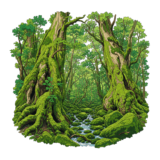
Yakushima Island Ancient Forest
Yakushima Island, a UNESCO World Heritage Site off the southern coast of Japan, is home to some of the oldest trees on Earth, with some Japanese cedars called Yakusugi estimated to be over 7,000 years old. The island's dense, moss-covered forest inspired the lush magical world in Studio Ghibli's animated film 'Princess Mononoke.' Twisted ancient trunks, thick green moss blanketing every rock and root, and misty mountain streams create an almost otherworldly atmosphere.
-
10

Shirakawa-go Historic Village
Shirakawa-go is a UNESCO World Heritage village in a remote mountain valley of Gifu Prefecture, famous for its traditional farmhouses built in a style called gassho-zukuri, meaning 'hands in prayer.' The steeply pitched thatched roofs, which can reach up to 9 meters tall, are designed to shed the region's heavy winter snowfall. In winter, the snow-covered rooftops lit by warm lamplight create one of Japan's most magical and picturesque scenes.
-
11

Jigokudani Monkey Park
Jigokudani Monkey Park in Nagano Prefecture is world-famous for its wild Japanese macaques, also known as snow monkeys, that soak in natural hot spring pools during the freezing winter months. The name 'Jigokudani' means 'Hell's Valley,' referring to the steam that rises from the boiling water that bubbles up from the rocky ground. Seeing pink-faced monkeys sitting contentedly in steaming outdoor baths while snow falls around them is one of Japan's most unforgettable wildlife sights.
-
12
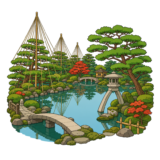
Kenroku-en Garden Kanazawa
Kenroku-en in Kanazawa is considered one of Japan's three most beautiful landscape gardens, developed over several centuries by the ruling Maeda clan. Its name means 'Garden of Six Sublimities,' referring to the six qualities of a perfect garden: spaciousness, seclusion, artifice, antiquity, water, and panoramas. One of its most photographed features is the iconic two-legged stone lantern called Kotoji-toro, which stands elegantly at the edge of a large pond.
-
13

Dogo Onsen Bathhouse
Dogo Onsen in Matsuyama City is one of Japan's oldest hot spring bathhouses, believed to be over 3,000 years old. The main building, Honkan, is a beautiful three-story wooden structure that looks like a traditional castle and is a National Important Cultural Property. It is said to have inspired the magical bathhouse in the famous animated film 'Spirited Away.'
-
14
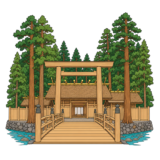
Ise Grand Shrine
Ise Grand Shrine in Mie Prefecture is the most sacred Shinto shrine in all of Japan, dedicated to the sun goddess Amaterasu. The shrine complex is extraordinary because its main buildings are completely rebuilt every 20 years using ancient carpentry techniques, symbolizing renewal and the cycle of life. The inner sanctum is surrounded by dense ancient cedar forest and visitors can only view it from outside a series of wooden fences.
-
15

Hokkaido Shiretoko National Park
Shiretoko National Park sits on a remote peninsula in northeastern Hokkaido and is one of Japan's few true wilderness areas. It is a UNESCO World Heritage Site known for its dramatic mix of volcanoes, old-growth forests, and wildlife including brown bears and Steller's sea eagles. In winter, drift ice from the Sea of Okhotsk pushes against its shores, creating a stunning frozen landscape unlike anywhere else in Japan.
-
16

Akan National Park Hokkaido
Akan National Park in eastern Hokkaido is a vast volcanic landscape dotted with caldera lakes and steaming hot springs. It is famous for Lake Akan, home to marimo — rare spherical balls of green algae that are protected as a national treasure. The park is also a stronghold for Ainu indigenous culture, and traditional Ainu villages and ceremonies can be experienced near the lake.
-
17

Beppu Hot Springs
Beppu is a city on the island of Kyushu and is one of the world's top hot spring resort destinations, producing more geothermal water than almost anywhere else on Earth. It is famous for its "Hells of Beppu" — eight dramatic geothermal pools with boiling, vividly colored water in shades of deep blue, blood red, and milky white. Steam rises constantly over the city, giving Beppu a mysterious, otherworldly atmosphere.
-
18

Tottori Sand Dunes
The Tottori Sand Dunes are Japan's largest sand dune system, stretching about 16 kilometers along the Sea of Japan coast in Tottori Prefecture. It is a surprising and dramatic landscape for Japan — vast rippling hills of golden sand that can reach up to 90 meters high, looking more like the Sahara than a small island nation. Visitors can ride camels, try sandboarding, or see incredible wave-like patterns carved into the sand by the wind.
-
19
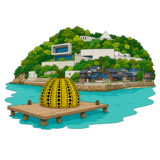
Naoshima Art Island
Naoshima is a small island in the Seto Inland Sea that has been transformed into one of the world's most celebrated destinations for contemporary art and architecture. Visionary architect Tadao Ando designed several of its landmark museums, including the Chichu Art Museum, which is built almost entirely underground to preserve the island's natural landscape. Giant outdoor sculptures, including Yayoi Kusama's famous yellow polka-dotted pumpkin on a seaside pier, have become icons of the island.
-
20
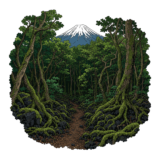
Aokigahara Forest Mount Fuji
Aokigahara is a dense, ancient forest that spreads across the northwestern base of Mount Fuji, growing on a bed of hardened lava from a volcanic eruption over a thousand years ago. The forest is known for its eerie quietness — the thick canopy and porous lava rock absorb sound and block wind, making it feel completely still inside. Compass needles sometimes spin erratically due to magnetic iron deposits in the volcanic rock beneath the forest floor.
-
21
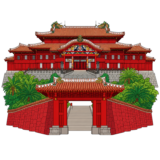
Shuri Castle Naha Okinawa
Shuri Castle in Naha was the royal palace of the Ryukyu Kingdom, which ruled the Okinawa islands for centuries before Japan unified them. The castle stands out dramatically because of its vivid red lacquered walls and gates, which reflect a blend of Japanese and Chinese architectural styles unique to Ryukyuan culture. Although the main hall burned down in a 2019 fire, restoration work is actively underway to rebuild this beloved symbol of Okinawan heritage.
-
22

Okinawa Churaumi Aquarium
The Okinawa Churaumi Aquarium is one of the largest aquariums in the world, located in the Ocean Expo Park on Okinawa's main island. Its massive Kuroshio Sea tank holds 7,500 cubic meters of water and is home to whale sharks and manta rays swimming alongside thousands of other tropical fish. The name 'Churaumi' means 'beautiful sea' in the Okinawan language.
-
23

Matsumoto Castle
Matsumoto Castle, nicknamed the 'Crow Castle,' is one of Japan's oldest and most beautiful original castles, built in the late 1500s in the Japanese Alps of Nagano Prefecture. Unlike the white-walled castles common in Japan, Matsumoto's striking exterior is painted deep black and white, giving it a dramatic and elegant appearance. It is a National Treasure of Japan and is perfectly reflected in the surrounding moat, where koi fish swim beneath the castle walls.
-
24
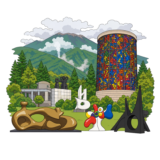
Hakone Open-Air Museum
The Hakone Open-Air Museum is Japan's first outdoor art museum, set against the dramatic backdrop of the Hakone mountains and the occasional view of Mount Fuji. It displays over 120 large-scale sculptures spread across beautifully landscaped gardens, including works by famous artists like Picasso and Henry Moore. One of its most beloved features is a walk-through tower made of thousands of pieces of stained glass that fills visitors with rainbow light.
More interesting landmarks
-
25
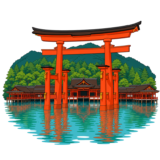
Itsukushima Shrine Miyajima
Itsukushima Shrine is a stunning Shinto shrine on Miyajima Island whose vermilion buildings appear to float on the sea at high tide. Its giant torii gate stands in the water offshore, making it one of Japan's most photographed views. The entire island is considered sacred, and for centuries no births or deaths were permitted on it.
-
26
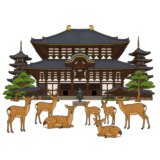
Nara Deer Park and Todai-ji Temple
Nara Deer Park is home to over 1,200 freely roaming sika deer that are considered sacred messengers of the gods in Japanese tradition. Within the park stands Todai-ji Temple, which houses the world's largest bronze Buddha statue, over 15 meters tall. Visitors can buy special crackers called shika senbei to feed the surprisingly bold, bowing deer.
-
27
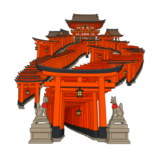
Fushimi Inari Taisha Shrine
Fushimi Inari Taisha is a famous Shinto shrine in Kyoto dedicated to Inari, the god of rice, foxes, and prosperity. It is best known for its thousands of bright vermilion torii gates that form winding tunnels up the wooded slopes of Mount Inari. Stone fox statues called kitsune guard the pathways throughout the shrine complex.
-
28
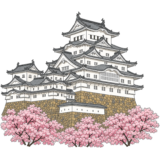
Himeji Castle
Himeji Castle is Japan's finest surviving feudal castle, dating back over 400 years, and is nicknamed the White Heron Castle because of its brilliant white plastered walls. It sits on a hill overlooking the city of Himeji and features a complex maze of 83 buildings and winding pathways designed to confuse attackers. It survived both World War Two bombings and a major earthquake largely intact, making it an extraordinary survivor.
-
29

Shibuya Crossing Tokyo
Shibuya Crossing is one of the busiest pedestrian intersections in the world, located in the heart of Tokyo. When the traffic lights turn red in all directions, hundreds of people cross from every angle at once, creating a mesmerizing human river. It sits surrounded by glowing neon billboards and giant video screens that light up the night sky.
-
30
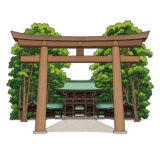
Meiji Jingu Shrine Tokyo
Meiji Jingu is a peaceful Shinto shrine in the middle of Tokyo, dedicated to Emperor Meiji and Empress Shoken who led Japan into the modern age in the late 1800s. Hidden within a dense forest of 100,000 trees, it feels like a serene escape from the busy city surrounding it. The shrine is reached through a long forested path lined with massive wooden torii gates, the largest of which stands over 12 meters tall.
-
31
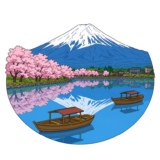
Lake Kawaguchiko
Lake Kawaguchiko is one of the famous Fuji Five Lakes sitting at the northern base of Mount Fuji. It is one of the most popular spots in Japan for viewing the iconic snow-capped volcano reflected perfectly in the calm water. The lake is especially magical in spring when cherry blossoms frame the shoreline with pink blooms.
-
32
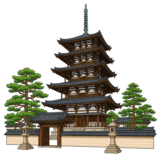
Horyu-ji Temple Nara
Horyu-ji Temple in Nara is one of the oldest wooden buildings in the entire world, built in 607 AD by Prince Shotoku. It was the first site in Japan to be listed as a UNESCO World Heritage Site. The temple complex includes a five-story pagoda that has stood for over 1,400 years, making it a remarkable feat of ancient engineering.
-
33
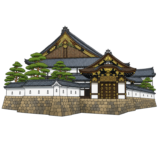
Nijo Castle Kyoto
Nijo Castle in Kyoto was built in 1603 as the Kyoto residence of the first Edo shogun, Tokugawa Ieyasu. The castle is famous for its 'nightingale floors,' which squeak like chirping birds when walked upon to alert guards of intruders. Its elaborate painted sliding doors and beautiful Japanese garden make it one of Kyoto's most visited UNESCO World Heritage Sites.
-
34
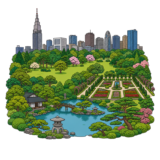
Shinjuku Gyoen National Garden
Shinjuku Gyoen is a large and beautifully designed national garden located in the heart of Tokyo. It blends three different garden styles — traditional Japanese, formal French, and informal English landscape — all within one park. It is one of Tokyo's most beloved spots for cherry blossom viewing in spring, drawing huge crowds each year.
-
35
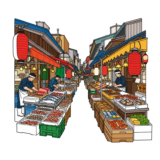
Tsukiji Outer Market Tokyo
Tsukiji Outer Market in Tokyo is a bustling open-air market famous for its incredibly fresh seafood, street food stalls, and lively atmosphere. While the inner wholesale fish market moved to Toyosu in 2018, the outer market remains a vibrant destination where visitors can sample sushi, tamagoyaki egg omelets, and fresh shellfish. It is one of the best places in the world to experience Japanese food culture up close.
-
36
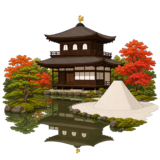
Ginkaku-ji Silver Pavilion Kyoto
Ginkaku-ji, meaning Silver Pavilion, is a Zen Buddhist temple built in 1482 on the forested eastern mountains of Kyoto. Despite its name, the pavilion was never actually covered in silver as originally planned, but it remains one of Kyoto's most treasured landmarks. The garden features a perfectly sculpted cone of white sand called Kogetsudai, which is said to reflect moonlight across the garden at night.
-
37

Kurashiki Bikan Historical Quarter
The Kurashiki Bikan Historical Quarter is a beautifully preserved merchant district in Okayama Prefecture dating back to the Edo period. White-walled storehouses called kura line a willow-shaded canal, giving the area a timeless, picture-perfect appearance. It was once a major rice trading hub, and today the old warehouses have been converted into museums, cafés, and craft shops.
-
38

Harajuku Takeshita Street Tokyo
Takeshita Street is a narrow, buzzing pedestrian lane in the Harajuku district of Tokyo, famous worldwide as the birthplace of bold Japanese street fashion and youth culture. The street is packed with colorful shops selling quirky clothing, accessories, and wildly creative crêpes piled high with candy and fruit. It has been a hub of fashion experimentation since the 1980s and continues to inspire designers and trend-watchers around the globe.
-
39
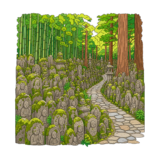
Adashino Nembutsu-ji Temple Kyoto
Adashino Nembutsu-ji is a small, hauntingly atmospheric Buddhist temple tucked into the bamboo-lined hills of the Sagano district in Kyoto. The temple grounds are filled with over 8,000 weathered stone figures and grave markers that were gathered from the surrounding hills, where unclaimed bodies were once left centuries ago. Every year in late August, the stone figures are lit by candlelight in a moving memorial ceremony called Sentou Kuyo.
-
40
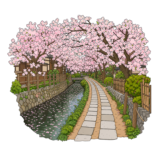
Philosopher's Path Kyoto
The Philosopher's Path is a stone-paved walkway that follows a narrow canal through the Higashiyama district of Kyoto, connecting several famous temples and shrines. It takes its name from the philosopher Nishida Kitaro, who is said to have meditated while strolling this route each day. In spring, hundreds of cherry trees lining the canal burst into pale pink bloom, making it one of the most beloved cherry blossom spots in all of Japan.
Puzzles