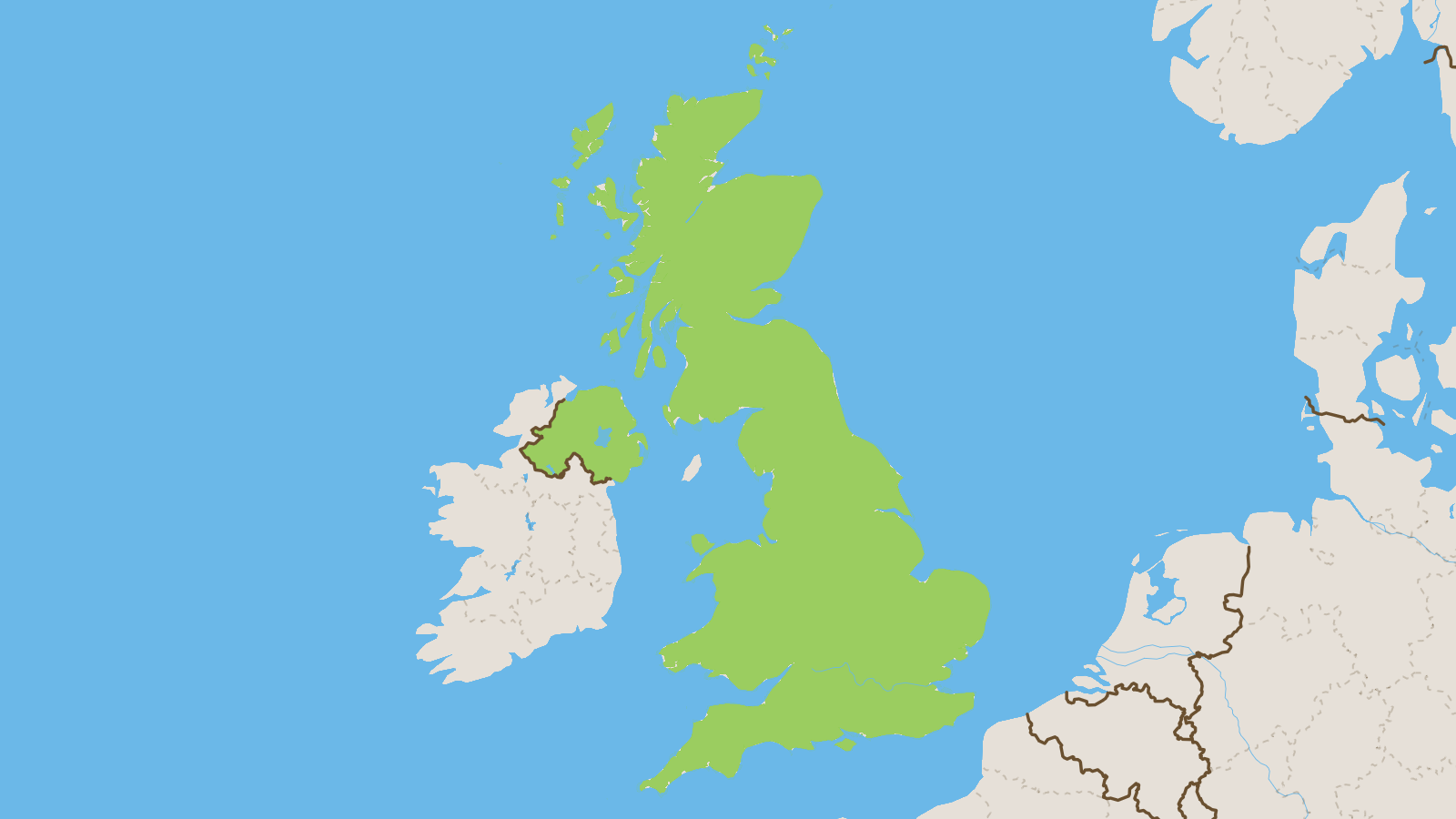
The United Kingdom sits off the northwestern coast of Europe, made up of four nations joined together: England, Scotland, Wales, and Northern Ireland. It is a place where ancient castles stand beside buzzing modern cities, and where you can find dramatic highlands, rolling green countryside, and busy coastal towns all within a short distance of each other. There is a real sense of history around every corner here.
The UK is famous for so many things it is hard to know where to start! London, the capital, is one of the most visited cities on Earth, packed with world-class museums, iconic red double-decker buses, and landmarks like Big Ben and Buckingham Palace. The country also gave the world the English language, some of the greatest music ever made, and a certain young wizard named Harry Potter. With a rich culture and a friendly, quirky character, the UK is truly one of a kind.
Landmarks
-
1

Stonehenge
Stonehenge is a prehistoric monument on Salisbury Plain in England, made of massive standing stones arranged in a circular pattern. Built over thousands of years starting around 3000 BC, it is one of the world's most famous ancient mysteries. Nobody knows exactly how or why it was built, which makes it endlessly fascinating.
-
2
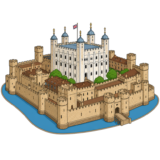
Tower of London
The Tower of London is a historic castle on the north bank of the River Thames, founded by William the Conqueror in 1066. It has served as a royal palace, a prison, and even a zoo over its long history. Today it houses the famous Crown Jewels, including some of the world's most precious diamonds.
-
3
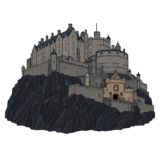
Edinburgh Castle
Edinburgh Castle is a dramatic fortress perched on the top of an ancient volcanic rock in the heart of Scotland's capital city. It has been a royal residence and military stronghold for over a thousand years, overlooking the city from its imposing clifftop position. The castle is home to Scotland's Crown Jewels and the famous Stone of Destiny.
-
4

Ben Nevis Summit
Ben Nevis is the highest mountain in the British Isles, standing 1,345 metres above sea level in the Scottish Highlands. The broad, rocky summit is often hidden in cloud and can be covered in snow even in summer. Despite being the UK's tallest peak, thousands of walkers reach the top each year via a well-worn path.
-
5
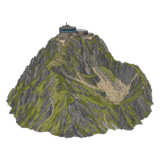
Snowdon Summit
Snowdon, known in Welsh as Yr Wyddfa, is the highest mountain in Wales at 1,085 metres and sits inside the Snowdonia National Park. Its jagged ridges and steep cwms — bowl-shaped hollows carved by ancient glaciers — make it one of the most dramatic mountain landscapes in Britain. Uniquely, visitors can reach the summit by riding a rack-and-pinion mountain railway.
-
6

Scafell Pike Summit
Scafell Pike is the highest mountain in England, reaching 978 metres above sea level in the Lake District National Park. The summit is a broad plateau of tumbled grey boulders with a stone cairn marking the very top. On a clear day, the views stretch across the Lake District's beautiful valleys, lakes, and even into Scotland and Ireland.
-
7

Loch Ness
Loch Ness is a vast, deep freshwater lake in the Scottish Highlands, stretching about 37 kilometres through the Great Glen valley. It is world-famous for the legend of the Loch Ness Monster, a mysterious creature said to lurk in its dark, peat-stained waters. The ruins of Urquhart Castle on the western shore add to the loch's atmospheric, mysterious feel.
-
8
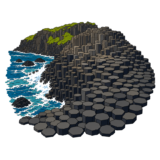
Giant's Causeway
The Giant's Causeway is a stunning natural wonder on the north coast of Northern Ireland, made up of around 40,000 interlocking hexagonal basalt columns formed by ancient volcanic activity. According to legend, the columns were built by a giant named Finn MacCool as stepping stones to Scotland. The site is a UNESCO World Heritage Site and one of Ireland's most visited attractions.
-
9
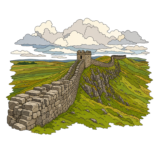
Hadrian's Wall
Hadrian's Wall is an ancient Roman stone wall stretching 73 miles across northern England, built around 122 AD by order of Emperor Hadrian. It marked the northern frontier of the Roman Empire and was used to control movement and defend against raids from the north. At its peak, the wall stood nearly 20 feet tall and was guarded by thousands of Roman soldiers.
-
10

Loch Lomond
Loch Lomond is the largest freshwater lake in Great Britain by surface area, located on the boundary of the Scottish Highlands. It sits within Loch Lomond and The Trossachs National Park and is famous for its stunning scenery of wooded islands, mountains, and calm blue waters. The loch features over 30 islands and is celebrated in the famous Scottish folk song 'The Bonnie Banks o' Loch Lomond.'
-
11

Chatsworth House
Chatsworth House is one of England's grandest stately homes, located in the Peak District of Derbyshire and home to the Duke and Duchess of Devonshire. The current baroque-style mansion was largely built in the late 1600s and is filled with extraordinary art collections, sculptures, and historic treasures. Its spectacular formal gardens, designed partly by Capability Brown, include a famous gravity-fed fountain that shoots water over 90 metres into the air.
-
12
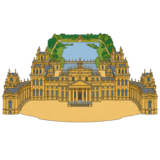
Blenheim Palace
Blenheim Palace is a magnificent baroque palace in Woodstock, Oxfordshire, built in the early 1700s as a gift from the nation to the Duke of Marlborough after his famous military victory at the Battle of Blenheim. It is the birthplace of Sir Winston Churchill, the British Prime Minister who led the UK through World War Two. The palace is a UNESCO World Heritage Site and is surrounded by over 2,000 acres of parkland designed by Capability Brown.
-
13

Canterbury Cathedral
Canterbury Cathedral is one of the oldest and most important Christian churches in England, founded in 597 AD and serving as the seat of the Archbishop of Canterbury, the head of the Church of England. It became a major pilgrimage site in the Middle Ages after the murder of Archbishop Thomas Becket within its walls in 1170. The cathedral is a UNESCO World Heritage Site and is famous for its stunning medieval stained glass windows, which are among the finest in the world.
-
14
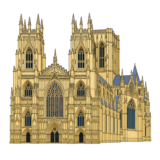
York Minster
York Minster is one of the largest Gothic cathedrals in Northern Europe, sitting at the heart of the historic city of York. It took around 250 years to build and is famous for its stunning medieval stained glass windows. The Great East Window is the size of a tennis court and is the largest medieval stained glass window in the world.
-
15
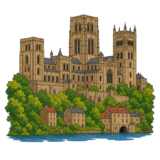
Durham Cathedral
Durham Cathedral is a magnificent Norman cathedral perched dramatically on a rocky cliff above the River Wear in northeast England. Built over 900 years ago, it is considered one of the finest examples of Romanesque architecture in the world and is a UNESCO World Heritage Site. Its three iconic towers can be seen from miles around, looming above the surrounding medieval city.
-
16
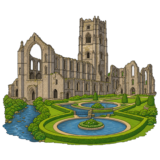
Fountains Abbey
Fountains Abbey is the ruins of a grand Cistercian monastery in North Yorkshire, founded by monks in 1132 and dissolved by King Henry VIII in 1539. The striking skeletal remains of the abbey tower and walls rise impressively from the green valley floor beside the River Skell. Together with the elegant 18th-century Studley Royal Water Garden surrounding it, the site is a UNESCO World Heritage Site.
-
17

Clifton Suspension Bridge Bristol
The Clifton Suspension Bridge is an elegant Victorian engineering masterpiece that spans the dramatic Avon Gorge in Bristol, connecting two limestone cliffs high above the River Avon. Designed by the celebrated engineer Isambard Kingdom Brunel, it was completed in 1864 and its central span stretches 214 metres. The bridge is Bristol's most iconic symbol and attracts over four million visitors every year.
-
18

Brecon Beacons National Park
Brecon Beacons National Park is a beautiful upland landscape in southern Wales, famous for its sweeping moorland, dramatic flat-topped sandstone peaks, and spectacular waterfalls. The highest peak, Pen y Fan, rises to 886 metres and offers panoramic views across Wales and even into England on a clear day. The park is a designated Dark Sky Reserve, making it one of the best places in the UK to see the Milky Way on a clear night.
-
19

Cairngorms National Park
Cairngorms National Park is the largest national park in the United Kingdom, located in the Scottish Highlands. It is home to ancient Caledonian pine forests, vast moorlands, and five of Scotland's six highest mountains. The park shelters rare wildlife including red squirrels, ospreys, and even wild reindeer — the only free-roaming herd in Britain.
-
20
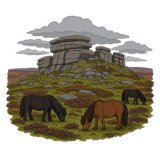
Dartmoor National Park
Dartmoor National Park is a wild, open expanse of moorland in Devon, southwest England, known for its mysterious granite outcrops called tors. The landscape is dotted with prehistoric standing stones, ancient stone circles, and roaming wild ponies. Its misty, rugged atmosphere has inspired many writers, including Arthur Conan Doyle for his famous story The Hound of the Baskervilles.
-
21

Seven Sisters Cliffs
The Seven Sisters are a dramatic series of seven chalk cliffs along the East Sussex coast in southern England. Their brilliant white faces rise sharply from the English Channel, creating one of the most iconic coastal views in the country. The cliffs get their name from the seven distinct peaks that rise and dip in a wave-like sequence along the clifftop.
-
22

Jurassic Coast Durdle Door
Durdle Door is a stunning natural limestone arch on the Jurassic Coast of Dorset, carved by the sea over millions of years. It sits within a UNESCO World Heritage Site that contains 185 million years of Earth's geological history preserved in its rocks and fossils. The arch juts dramatically into the clear turquoise water, making it one of England's most photographed natural landmarks.
-
23

Old Man of Storr Isle of Skye
The Old Man of Storr is a tall, jagged rock pinnacle rising from a ridge on the Isle of Skye in Scotland. Standing about 50 metres high, it is the most famous of several dramatic rocky spires that jut up from the hillside above Loch Leathan. The eerie, otherworldly landscape is formed from ancient landslide debris and is surrounded by legends of giants.
-
24

Fingal's Cave Staffa
Fingal's Cave is a sea cave on the uninhabited island of Staffa off the west coast of Scotland, famous for its extraordinary columns of hexagonal basalt rock. These perfectly geometric columns were formed 60 million years ago when lava cooled very slowly, creating natural six-sided pillars that look almost man-made. The cave's acoustics produce haunting echoing sounds from the waves, which inspired composer Felix Mendelssohn to write his famous Hebrides Overture.
More interesting landmarks
-
25

Ironbridge Gorge
Ironbridge Gorge in Shropshire, England, is home to the world's first iron bridge, built in 1779 across the River Severn. This bridge was a turning point in history, proving that cast iron could be used for large-scale construction and helping to launch the Industrial Revolution. The site is now a UNESCO World Heritage Site and includes museums that tell the story of how this area changed the world.
-
26
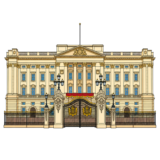
Buckingham Palace
Buckingham Palace is the official London residence of the British monarch and one of the most recognisable buildings in the world. The palace has 775 rooms and its grand facade faces a large forecourt where the famous Changing of the Guard ceremony takes place. When the monarch is in residence, the Royal Standard flag flies above the building.
-
27

Lake Windermere
Lake Windermere is the largest natural lake in England, stretching about 18 kilometres through the heart of the Lake District in Cumbria. Its calm blue waters are fringed by wooded hills, pretty villages, and Victorian boathouses, making it one of England's most popular tourist destinations. The lake inspired Beatrix Potter, who wrote the Peter Rabbit stories while living nearby.
-
28

The British Museum London
The British Museum is one of the world's greatest museums, housing over eight million objects spanning two million years of human history and culture. Founded in 1753, it was the first public national museum in the world. Its most famous treasure is the Rosetta Stone, the ancient key that helped scholars decode Egyptian hieroglyphics.
-
29

Natural History Museum London
The Natural History Museum in London is a spectacular museum dedicated to the natural world, containing over 80 million specimens from dinosaur fossils to meteorites. It opened to the public in 1881 and was designed to make science accessible to everyone. Its grand entrance hall is famously dominated by a life-size blue whale skeleton hanging from the ceiling.
-
30

Tate Modern London
Tate Modern is one of the world's leading modern and contemporary art galleries, located on the south bank of the River Thames in London. It is housed in a converted Bankside Power Station, a massive industrial building with a distinctive brick chimney tower. Since opening in 2000, it has attracted millions of visitors and is famous for displaying bold, thought-provoking artworks in its vast Turbine Hall.
-
31

Palace of Westminster
The Palace of Westminster, also known as the Houses of Parliament, is the seat of the United Kingdom's parliament, where laws are debated and made. It sits on the north bank of the River Thames in London and is one of the most recognizable buildings in the world. Its famous clock tower, Elizabeth Tower, houses the giant bell known as Big Ben.
-
32

Windsor Castle
Windsor Castle is the oldest and largest inhabited castle in the world, serving as an official residence of the British Royal Family for over 900 years. Located in Windsor, Berkshire, it was originally built by William the Conqueror following the Norman Conquest in 1066. The castle's famous Round Tower sits at its centre and is visible for miles around.
-
33
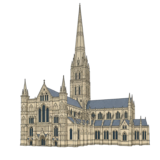
Salisbury Cathedral
Salisbury Cathedral is a breathtaking medieval cathedral in Wiltshire, England, and is home to the tallest church spire in the United Kingdom at 123 metres high. Built mostly in the Early English Gothic style in the 13th century, it was constructed in just 38 years, which is remarkably fast for a cathedral. Inside, it holds one of the four surviving original copies of the Magna Carta, the famous 1215 document that helped shape modern democracy.
-
34
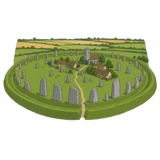
Avebury Stone Circle
Avebury Stone Circle in Wiltshire is the largest prehistoric stone circle in the world, so big that an entire village sits inside it. Built around 4,500 years ago during the Neolithic period, the site consists of a huge circular earth bank and ditch enclosing hundreds of standing stones. It is even older than nearby Stonehenge and remains one of the most mysterious ancient monuments in Europe.
-
35

The Angel of the North
The Angel of the North is a giant steel sculpture of a human figure with enormous aeroplane-like wings, standing on a hilltop in Gateshead, northeastern England. Created by artist Antony Gormley and completed in 1998, it stands 20 metres tall with a wingspan of 54 metres, making it wider than a Boeing 757 aircraft. It is one of the most viewed pieces of art in the world, seen by around 90,000 people every day as they pass on nearby roads and railways.
-
36

Peak District National Park
The Peak District was the first national park to be established in the United Kingdom, designated in 1951, and it sits at the southern end of the Pennine Hills in central England. It is divided into the dramatic Dark Peak in the north, with its wild moorland and gritstone edges, and the softer White Peak in the south, with its limestone dales and pretty stone-walled villages. Surrounded by cities like Manchester, Sheffield, and Derby, it is one of the most visited national parks in the world.
-
37
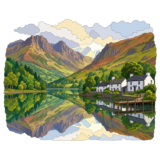
Lake District National Park
The Lake District is England's largest national park, located in Cumbria in the northwest, and is famous for its glacially carved lakes, dramatic mountain scenery, and charming stone villages. It is home to England's highest mountain, Scafell Pike at 978 metres, and its longest and deepest lakes. The stunning landscape inspired poets like William Wordsworth and Beatrix Potter, the creator of Peter Rabbit, who lived and worked here.
-
38

Glencoe Valley
Glencoe is a breathtaking glacial valley in the Scottish Highlands, carved out during the last Ice Age and flanked by towering, steep-sided mountains. The valley is famous both for its raw, dramatic scenery and for the tragic 1692 Glencoe Massacre, a dark moment in Scottish history. Its brooding atmosphere, with waterfalls cascading down rocky cliffs, makes it one of Scotland's most emotional and awe-inspiring landscapes.
-
39

The Gherkin London
The Gherkin is a distinctive skyscraper in the City of London, officially known as 30 St Mary Axe. Completed in 2003, its curved, tapering shape and diamond-patterned glass exterior make it one of London's most recognisable modern buildings. Its unique oval shape helps wind flow smoothly around it, making it more energy-efficient than traditional square skyscrapers.
-
40
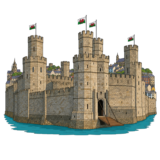
Caernarfon Castle
Caernarfon Castle is a massive medieval fortress in northwest Wales, built by King Edward I of England beginning in 1283 to help control the Welsh people. Its distinctive eagle-topped towers and distinctive banded stonework — made from alternating layers of different coloured stone — set it apart from other castles. It is a UNESCO World Heritage Site and remains one of the best-preserved and most impressive castles in Europe.
Ten Largest Cities
Puzzles