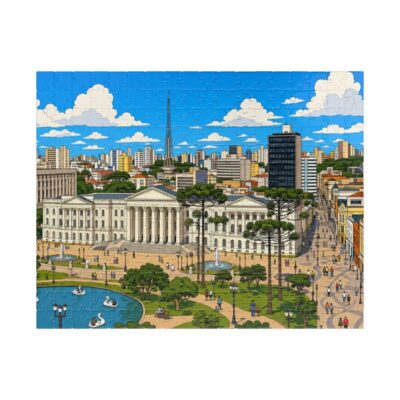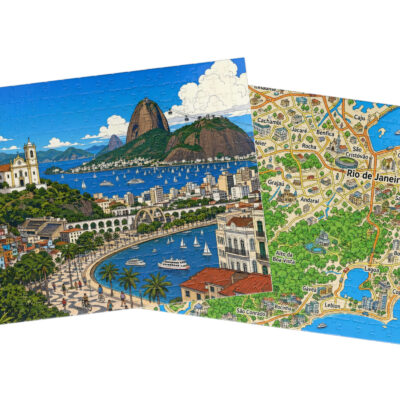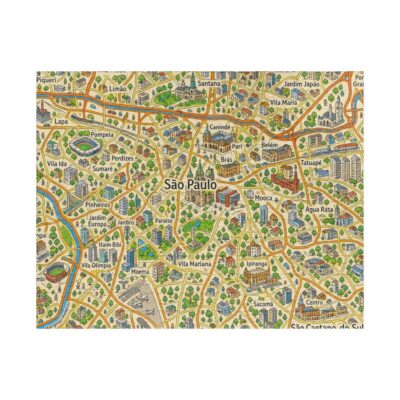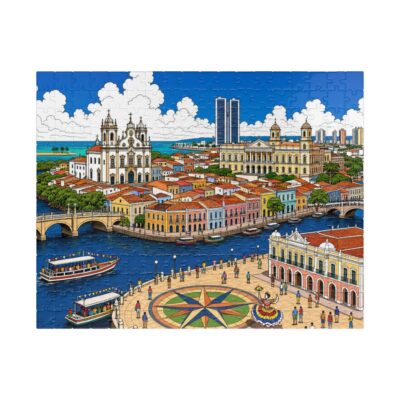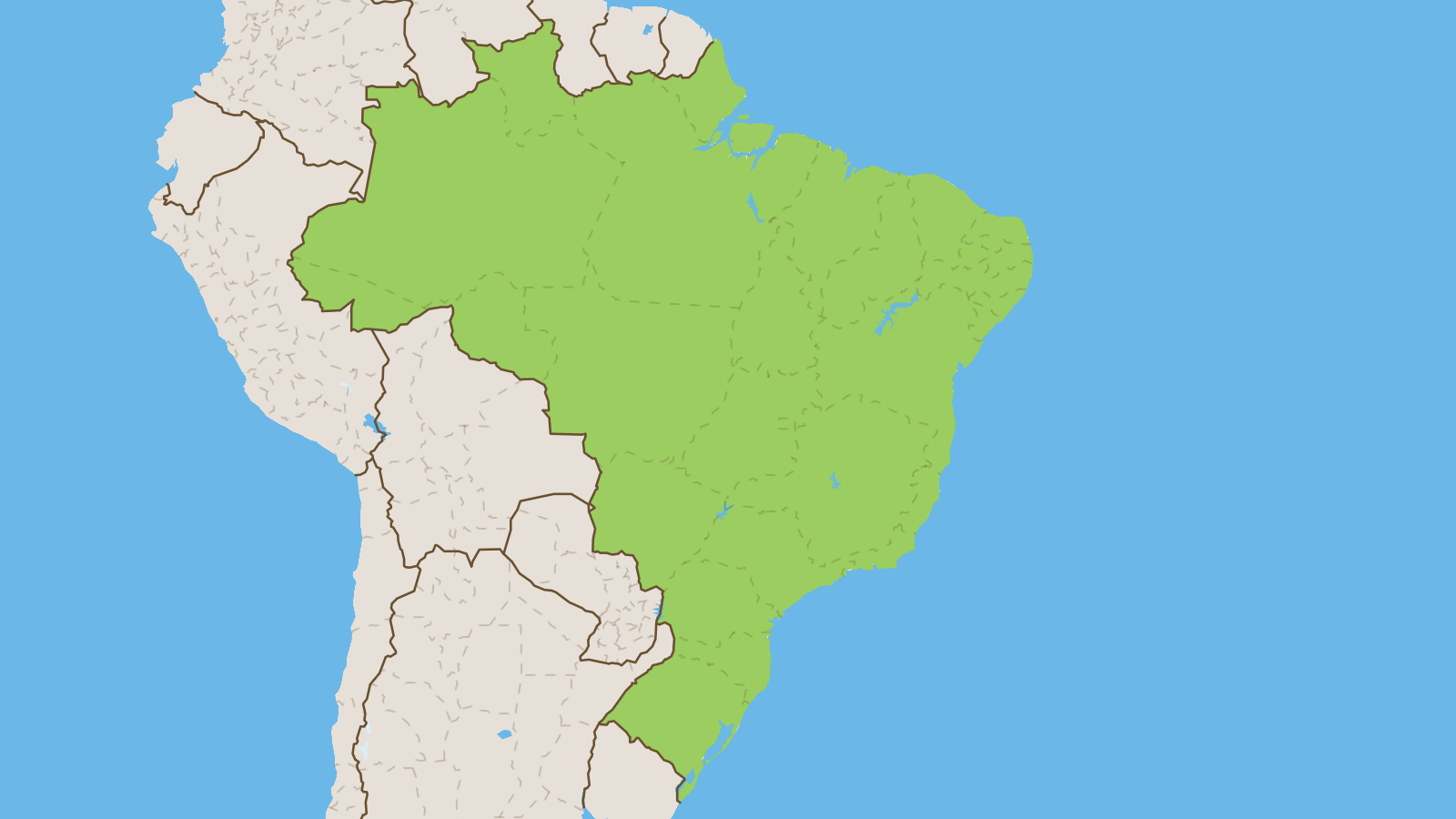
Brazil is the biggest country in South America and one of the largest in the entire world. It stretches across so much of the continent that it shares a border with almost every other South American nation. Brazil is home to the Amazon rainforest, the most biodiverse place on Earth, where millions of plant and animal species live together in a dense, steaming jungle. The mighty Amazon River winds through it all, carrying more fresh water than any other river on the planet.
Brazil has an energy and warmth that is hard to match anywhere else. Brazilians are famous for their love of football, and the country has produced some of the greatest players the sport has ever seen. Every year, the city of Rio de Janeiro hosts Carnival, a spectacular festival filled with music, dancing, and dazzling costumes. With its vibrant culture and extraordinary nature, Brazil is truly one of a kind.
Landmarks
-
1

Diamantina Historic Town
Diamantina is a beautifully preserved colonial town in the mountains of Minas Gerais, declared a UNESCO World Heritage Site for its extraordinary 18th-century architecture built during Brazil's diamond rush. Narrow cobblestone streets wind between colorful Portuguese-style houses with overhanging wooden balconies painted in bold blues, greens, and reds. The town was also the birthplace of Juscelino Kubitschek, the president who built Brasília, and features a fascinating covered wooden market bridge that is one of a kind in Brazil.
-
2

Pico 31 de Marco Serra do Divisor
Pico 31 de Março is the highest peak in the state of Acre in the far western Amazon region of Brazil, rising within the Serra do Divisor National Park right on the border with Peru. This remote and wild mountain is surrounded by some of the most biodiverse and least-visited tropical rainforest on Earth. Its name commemorates the date of Acre's annexation to Brazil, making it both a natural and historical landmark.
-
3

Trancoso Historic Village Bahia
Trancoso is a charming historic village on the southern Bahia coast, known for its iconic central square called the Quadrado, which is lined with brightly painted colonial-era cottages turned into boutique shops and restaurants. Founded by Jesuit missionaries in the 16th century, the village sits on a grass-topped cliff overlooking beautiful Atlantic beaches below. It blends colonial Brazilian history with a relaxed beach atmosphere, making it one of the most picturesque villages in the country.
-
4

Aparados da Serra National Park Itaimbezinho Canyon
Itaimbezinho Canyon, within Aparados da Serra National Park on the border of Rio Grande do Sul and Santa Catarina, is one of the most spectacular canyons in South America. The canyon plunges up to 720 meters deep and stretches for about 5.8 kilometers, with nearly vertical basalt walls striped in shades of grey, black, and rust. Waterfalls cascade down the sheer cliffs into the narrow gorge below, which is filled with Atlantic Forest vegetation and shrouded in mist.
-
5

Jericoacoara National Park
Jericoacoara is a stunning national park on the northeastern coast of Ceará state, famous for its enormous sand dunes, clear lagoons, and a laid-back fishing village atmosphere. One of its most iconic features is a natural rock arch on the beach called Pedra Furada, which frames beautiful ocean sunsets. The park's landscape shifts between vast wind-sculpted dunes, freshwater lagoons tinted blue and green, and mangroves, making it one of Brazil's most visually dramatic coastal destinations.
-
6

Sao Paulo Museum of Ipiranga
The São Paulo Museum of Ipiranga, also called the Museu Paulista, stands on the historic site where Brazil declared independence from Portugal in 1822. The building itself is a grand 19th-century neoclassical palace surrounded by formal French-style gardens with fountains and decorative pools. It houses an important collection of Brazilian historical artifacts and recently reopened after a major restoration for Brazil's bicentennial celebrations in 2022.
-
7

Pico da Neblina Summit
Pico da Neblina is the highest mountain in Brazil, rising 2,994 meters above sea level near the border with Venezuela in the Amazon region. Its name means 'Peak of Mist' in Portuguese, earned because the summit is almost always hidden by thick clouds and fog. The mountain sits within a protected national park and is considered sacred by the indigenous Yanomami people who live in the surrounding forest.
-
8

Serra da Canastra National Park
Serra da Canastra National Park in Minas Gerais is a high-plateau park best known as the birthplace of the São Francisco River, one of Brazil's most important waterways. The park's most spectacular sight is the Casca D'Anta waterfall, where the river plunges 186 meters off the plateau's edge in a dramatic cascade. The park's vast open grasslands, called campos rupestres, are home to giant anteaters, maned wolves, and giant otters.
-
9

Amazon Theatre Manaus
The Amazon Theatre, or Teatro Amazonas, is a magnificent opera house built in the heart of Manaus during the Amazon rubber boom in the late 1800s. Its iconic dome is covered in 36,000 decorated ceramic tiles painted in the colors of the Brazilian flag — green, gold, and blue. It is remarkable for the fact that all of its building materials, from Italian marble to English iron, were shipped thousands of miles upriver into the Amazon jungle.
-
10

Canaveral do Sul Bonito Pantanal
Bonito, near the Pantanal wetlands, is a nature town in Mato Grosso do Sul famous for its extraordinarily clear rivers and rich wildlife. The rivers here filter naturally through limestone rock, making the water so transparent that visitors can snorkel and see fish, plants, and the riverbed in stunning detail. It is one of the best ecotourism destinations in all of South America.
-
11

Chapada dos Veadeiros National Park
Chapada dos Veadeiros is a vast national park on Brazil's central plateau, famous for its ancient quartz rock formations, dramatic waterfalls, and crystal-clear rivers. The park sits on one of the world's oldest geological plateaus, estimated to be around 1.8 billion years old. Its quartz-rich rocks even reflect sunlight so strongly that the area is visible from space.
-
12

Brasilia Cathedral Metropolitana
The Metropolitan Cathedral of Brasília is a stunning modernist church designed by legendary architect Oscar Niemeyer, completed in 1970. Its structure consists of 16 sweeping curved concrete columns that soar upward and meet at the top, resembling hands reaching toward the sky. Inside, the ceiling is filled with stunning stained glass in shades of blue, green, and white.
-
13
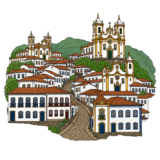
Ouro Preto Historic Town
Ouro Preto, whose name means 'Black Gold,' is a beautifully preserved colonial town in the mountains of Minas Gerais state that was once the center of Brazil's 18th-century gold rush. The town is famous for its stunning Baroque churches, ornate interiors decorated with gold leaf, and hilly cobblestone streets. It was Brazil's first UNESCO World Heritage Site and is home to the masterworks of Aleijadinho, Brazil's most celebrated colonial sculptor.
-
14
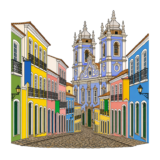
Pelourinho Historic Center Salvador
Pelourinho is the historic heart of Salvador, the capital of Bahia state, and one of the best-preserved examples of Portuguese colonial architecture in the Americas. The neighborhood is famous for its steep cobblestone streets lined with colorful 17th and 18th century buildings in bright yellows, blues, pinks, and greens. It is a UNESCO World Heritage Site and a living center of Afro-Brazilian culture, music, and cuisine.
-
15

Fernando de Noronha Archipelago
Fernando de Noronha is a remote volcanic archipelago of 21 islands located about 350 kilometers off the northeastern coast of Brazil. It is celebrated for having some of the clearest and most pristine ocean waters in the South Atlantic, making it a world-class destination for snorkeling, diving, and dolphin watching. The islands are a UNESCO World Heritage Site and access is strictly limited to protect their extraordinary marine life.
-
16
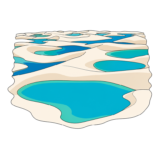
Lencois Maranhenses National Park
Lençóis Maranhenses is one of Brazil's most surreal landscapes — a vast field of brilliant white sand dunes that stretches for over 1,500 square kilometers along the northeastern coast. During the rainy season, crystal-clear freshwater lagoons of blue and green form between the dunes, creating a magical patchwork of color. Despite its desert-like appearance, the area receives significant rainfall and is not technically a desert.
-
17

Chapada Diamantina National Park
Chapada Diamantina is a stunning national park in the state of Bahia, known for its dramatic tabletop mountains, deep canyons, turquoise waterfalls, and underground caves. The region was once a major diamond-mining area, which is how it got its name — 'diamantina' means diamond-bearing. The park's highlight is the Fumaça Waterfall, one of the tallest in Brazil, which drops so far that the water evaporates before reaching the ground in a misty cloud.
-
18

Iguazu Falls National Park
Iguazu Falls is one of the world's largest and most spectacular waterfall systems, stretching nearly 2.7 kilometers along the border of Brazil and Argentina. The falls are made up of around 275 individual cascades surrounded by lush subtropical rainforest. The most dramatic section, called the Devil's Throat, plunges nearly 80 meters in a thundering horseshoe shape.
-
19

Abrolhos Marine National Park
Abrolhos Marine National Park is Brazil's oldest marine park, located off the coast of Bahia, and protects some of the most important coral reef ecosystems in the entire South Atlantic Ocean. The park is a critical breeding ground for humpback whales, which visit between July and November to give birth and raise their calves in its warm, calm waters. Its five volcanic islands rise dramatically from the sea and are home to thousands of nesting seabirds, creating a spectacular wildlife spectacle.
-
20

Sao Luis Historic Center Maranhao
The historic center of São Luís is a UNESCO World Heritage Site and one of the best-preserved examples of Portuguese colonial architecture in the Americas. What makes it truly unique is the extensive use of azulejos — colorful hand-painted ceramic tiles from Portugal that cover the facades of thousands of old buildings throughout the city. Founded in 1612, São Luís is also the only Brazilian city originally established by France, giving it a fascinating multicultural history.
-
21

Serra dos Orgaos National Park
Serra dos Órgãos National Park is a stunning mountain park near Rio de Janeiro, famous for its dramatic rocky peaks that early settlers thought resembled the pipes of a church organ. The park's most iconic peak, Dedo de Deus (Finger of God), is a needle-like granite spire rising sharply into the clouds. It is one of Brazil's oldest national parks and a paradise for hikers, rock climbers, and wildlife enthusiasts.
-
22
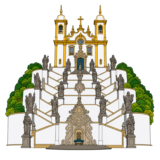
Congonhas Sanctuary Bom Jesus
The Sanctuary of Bom Jesus de Matosinhos in Congonhas, Minas Gerais, is a UNESCO World Heritage Site and one of Brazil's greatest examples of Baroque art and architecture. The hilltop church is approached through a stunning outdoor courtyard featuring twelve life-sized soapstone sculptures of Old Testament prophets, carved by the legendary Brazilian sculptor Aleijadinho in the late 18th century. These dramatic stone figures, each with expressive gestures and faces, are considered a masterpiece of Baroque sculpture in the Americas.
-
23

Bonito Ecological Sanctuary Mato Grosso do Sul
The Bonito Ecological Sanctuary is part of a remarkable eco-tourism region in Mato Grosso do Sul state, celebrated for its extraordinarily clear rivers, natural sinkholes, and abundant wildlife. The rivers around Bonito are famous for snorkeling alongside thousands of colorful fish in water so transparent it looks like glass. The region sits atop a limestone plateau, and the rock filters rainwater to an almost unbelievable clarity before it flows into the local rivers.
-
24
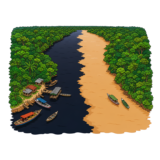
Amazon Rainforest Manaus
The Amazon Rainforest is the largest tropical rainforest on Earth, covering more than 5.5 million square kilometers across South America. Near Manaus, a major city in the heart of the Brazilian Amazon, you can witness the famous 'Meeting of the Waters,' where the dark Rio Negro and the sandy-colored Amazon River flow side by side without mixing for kilometers. The rainforest is home to an estimated 10% of all species on the planet.
More interesting landmarks
-
25
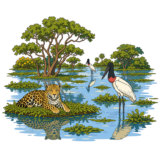
Pantanal Wetlands Mato Grosso
The Pantanal is the world's largest tropical wetland, spanning around 150,000 square kilometers across Brazil, Bolivia, and Paraguay. It is one of the best places on Earth to spot wildlife, including jaguars, giant otters, capybaras, and hundreds of bird species. During the wet season, vast stretches of the landscape flood, creating a shimmering mosaic of water and grassland.
-
26
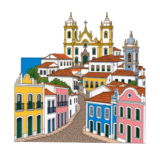
Olinda Historic Center
The historic center of Olinda is a beautifully preserved colonial town in northeastern Brazil, perched on a series of hills overlooking the Atlantic Ocean and nearby Recife. Founded by the Portuguese in 1535, its cobblestone streets are lined with brightly painted Baroque churches, colorful colonial mansions, and tropical gardens. UNESCO declared it a World Heritage Site in 1982 for its outstanding colonial architecture.
-
27

Itatiaia National Park Pico das Agulhas Negras
Pico das Agulhas Negras, meaning 'Peak of the Black Needles,' is the highest point in Itatiaia National Park and one of the tallest peaks in Brazil at 2,791 meters. The jagged dark rocky spires rise dramatically above a landscape of cloud forest, high-altitude scrubland, and glacial lakes. It is a beloved destination for hikers and rock climbers who come for its wild, dramatic scenery.
-
28
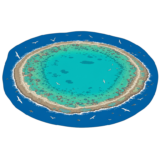
Atol das Rocas Biological Reserve
Atol das Rocas is Brazil's only atoll and the first marine biological reserve in South America, located about 270 kilometers off the coast of Rio Grande do Norte. It is a ring-shaped coral reef that shelters crystal-clear lagoons and serves as a critical nesting ground for sea turtles and seabirds. At low tide, the reef emerges from the ocean, creating a stunning natural arena of shallow turquoise pools teeming with fish.
-
29
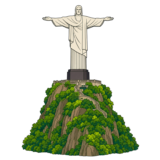
Christ the Redeemer Rio de Janeiro
Christ the Redeemer is a massive statue of Jesus Christ standing on top of Corcovado Mountain in Rio de Janeiro, with arms outstretched wide. It is one of the New Seven Wonders of the World and a global symbol of Brazil and of peace. The statue stands 30 meters tall and can be seen from almost anywhere in the city.
-
30

Copacabana Beach Rio de Janeiro
Copacabana is one of the most famous urban beaches in the world, a 4-kilometer crescent of golden sand lined with a lively promenade in Rio de Janeiro. The beach is famous for its energy, volleyball games, colorful beach umbrellas, and the iconic black-and-white wave-patterned mosaic sidewalk. Millions of people gather here every New Year's Eve for one of the largest fireworks celebrations on Earth.
-
31

Sugarloaf Mountain Rio de Janeiro
Sugarloaf Mountain is a dramatic granite and quartz peak rising 396 meters above Guanabara Bay in Rio de Janeiro. It is one of Brazil's most iconic landmarks, offering sweeping views of the city, coastline, and surrounding mountains. Visitors reach the summit by riding a famous cable car that has been operating since 1912.
-
32

Ipanema Beach Rio de Janeiro
Ipanema is one of the world's most famous urban beaches, stretching for about 2.5 kilometers along the southern coast of Rio de Janeiro. Known for its golden sand, lively atmosphere, and stunning backdrop of mountains and the Dois Irmãos twin peaks, it attracts locals and visitors alike every day of the year. The beach was immortalized globally by the 1960s bossa nova song 'The Girl from Ipanema.'
-
33

Tijuca National Park Rio de Janeiro
Tijuca National Park is one of the largest urban rainforests in the world, covering more than 32 square kilometers right inside the city of Rio de Janeiro. The park is home to hundreds of species of birds, mammals, and plants, along with breathtaking waterfalls and viewpoints. Remarkably, much of the forest was replanted in the 19th century after being cleared for coffee farming — making it a major conservation success story.
-
34

MASP Museum Sao Paulo
The São Paulo Museum of Art, known as MASP, is one of the most important art museums in Latin America and holds the largest collection of Western art in the Southern Hemisphere. Its building, designed by architect Lina Bo Bardi and opened in 1968, is iconic for its bold red concrete structure elevated on just two pillars, creating a dramatic open space underneath. That open plaza beneath the museum is a beloved public gathering spot in the heart of São Paulo.
-
35

Santuario Dom Bosco Brasilia
The Sanctuary of Dom Bosco is a breathtaking Catholic church in Brazil's capital city, Brasília, completed in 1963. Its most striking feature is its walls made entirely of deep blue stained glass held within a grid of concrete columns, which flood the interior with an ethereal blue and violet light. The church was built in honor of Saint John Bosco, who reportedly had a vision in 1883 of a great civilization arising near the 15th parallel in South America — exactly where Brasília was later built.
-
36

Vale do Amanhecer Planaltina
Vale do Amanhecer, or Valley of the Dawn, is a unique spiritual community near Planaltina in the Federal District of Brazil, founded in the 1960s by a woman known as Tia Neiva. The community follows its own syncretic religious tradition blending indigenous, Christian, African, and esoteric beliefs, and is famous for the elaborate colorful costumes worn by its members during rituals. The site includes a large star-shaped lake, open-air temples, and colorful statues of spiritual figures that give the place an otherworldly appearance.
-
37

Foz do Iguacu Bird Park
The Foz do Iguaçu Bird Park is a large wildlife sanctuary located next to the famous Iguaçu Falls in southern Brazil, home to over 1,500 birds from more than 150 species. It is especially known for its walk-through aviaries where visitors can get extremely close to toucans, macaws, and flamingos in lush tropical surroundings. One unforgettable feature is the free-flight butterfly house, where thousands of colorful butterflies flutter all around you.
-
38

Ilha Grande State Park Rio de Janeiro
Ilha Grande is a large, largely car-free island off the coast of Rio de Janeiro state, protected as a state park and a UNESCO World Heritage Site. The island is covered in dense Atlantic Forest and fringed by over 100 beaches with crystal-clear turquoise water. Because the island had very little development for much of the 20th century, its nature was left almost completely intact, making it one of Brazil's most pristine coastal environments.
-
39

Mosteiro de Sao Bento Sao Paulo
The Mosteiro de São Bento is a magnificent Benedictine monastery perched on a hill in the heart of São Paulo, founded in 1598 and still home to an active community of monks today. Its neo-Gothic church facade is one of the most recognizable in Brazil, featuring tall twin towers and ornate stonework that contrasts dramatically with the modern city skyline around it. The monastery is also famous for its hand-crafted bread and honey, made by the monks and sold to visitors.
-
40

Museu do Amanha Rio de Janeiro
The Museum of Tomorrow (Museu do Amanhã) is a breathtaking science museum on the Mauá Pier in Rio de Janeiro, designed by world-famous architect Santiago Calatrava. It explores big questions about Earth's future, covering topics like climate change, biodiversity, and humanity's place in the universe. The building itself is a landmark, shaped like a futuristic creature stretching over a reflecting pool, with solar panels on its roof and water from Guanabara Bay used to cool the building.
Ten Largest Cities
Puzzles